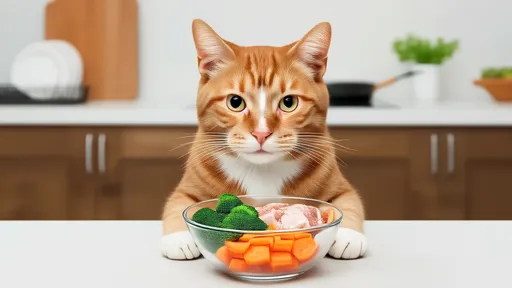
In recent years, the practice of feeding pets a raw food diet has surged in popularity among pet owners seeking what they perceive as a more natural and wholesome alternative to commercial pet foods. Proponents argue that this approach mirrors the ancestral diets of wild canines and felines, promising shinier coats, healthier skin, improved energy levels, and overall superior vitality. The movement is fueled by a growing desire among guardians to take a more hands-on, informed role in their companion's nutrition, often driven by stories of remarkable health turnarounds and a deep-seated skepticism of large-scale pet food manufacturing processes and ingredients.
However, this trend exists within a maelstrom of intense debate within the veterinary and scientific communities. The purported benefits are often anecdotal, passionately shared in online forums and social media groups, yet they stand in stark contrast to the warnings issued by major veterinary associations. These organizations point to significant, evidence-based public health risks and nutritional concerns that cannot be overlooked. The decision to adopt a raw diet is therefore not a simple lifestyle choice but a complex issue sitting at the intersection of well-intentioned care and scientific caution, demanding a thorough and balanced examination from all angles.
The Allure of the Ancestral Diet: Perceived Benefits Explored
The philosophical core of the raw feeding movement is rooted in the idea of biological appropriateness. Advocates posit that the digestive systems of dogs and cats have evolved over millennia to process raw meat, bone, and organs efficiently, not the cooked, processed, and carbohydrate-rich kibble that defines modern pet food. This belief translates into several claimed advantages. Many owners report a dramatic improvement in their pet's coat quality, noting a new softness and shine that was previously absent. Skin conditions, including chronic allergies and hotspots that were resistant to medicated shampoos and treatments, are often said to clear up remarkably once the switch to raw is made.
Beyond dermatological benefits, proponents frequently cite enhanced digestive health. They argue that the high digestibility of raw meat leads to smaller, firmer, and less odorous stools, a clear indicator of more complete nutrient absorption. This improved gut health is also linked to a bolstered immune system, potentially leading to fewer general illnesses and a reduced reliance on veterinary interventions for minor ailments. For dental health, the mechanical action of chewing on raw meaty bones is championed as nature's toothbrush, scraping away plaque and tartar and promoting healthier gums, thereby potentially reducing the need for professional dental cleanings under anesthesia. The overall picture painted by supporters is one of a return to a primal state of health, unlocking a pet's true potential for leanness, energy, and longevity.
Unpacking the Evidence: A Scientific Perspective on Claims
While the testimonials are compelling, the scientific community urges a critical look at the evidence—or lack thereof—supporting these claims. The stark reality is that robust, large-scale, long-term studies on the health outcomes of raw-fed pets versus those fed conventional diets are exceedingly rare. Much of the support for raw diets relies on personal anecdotes and small-scale observations, which are vulnerable to placebo effects and owner bias. For instance, a shinier coat can often be attributed to the high-fat content of many raw formulations, an ingredient that can also be effectively replicated in high-quality commercial foods without the associated risks.
The claim regarding dental health is particularly contentious. While gnawing on a bone certainly has an abrasive effect, veterinary dentists warn of the significant danger of tooth fractures and periodontal injuries from bones that are too hard. Furthermore, the assertion that a raw diet is inherently more digestible is not universally accepted. The process of cooking actually denatures proteins and breaks down cellulose in plant matter, making many nutrients more bioavailable, not less. The pet food industry has extensively researched and utilized this principle for decades to create highly digestible products. The scientific consensus maintains that the risks associated with raw feeding currently outweigh the unproven benefits, and that any perceived advantages can be safely achieved through carefully selected, high-quality commercial or properly formulated home-cooked diets that prioritize safety and nutritional balance.
The Hidden Dangers: A Deep Dive into Pathogenic Risks
The most significant and unequivocal risk associated with raw pet diets is microbiological contamination. Raw meat, whether intended for human or animal consumption, is frequently contaminated with pathogenic bacteria such as Salmonella, Listeria monocytogenes, E. coli, and Campylobacter. Scientific studies have consistently found a high prevalence of these pathogens in commercial raw pet food products. Unlike humans who cook their food, pets consuming raw meat ingest these bacteria directly. While many healthy animals may show no signs of illness, becoming asymptomatic carriers, they can shed these bacteria in their saliva and feces, posing a severe zoonotic threat—a risk of transmission to humans.
This environmental contamination creates a public health hazard, particularly for household members with compromised immune systems, the elderly, and young children who are more vulnerable to severe infection. The simple acts of petting a dog that has just licked its chops, cleaning up feces in the yard, or handling the pet's food bowl can become vectors for transmission. The home environment itself can become a reservoir for these bacteria, lingering on surfaces, bowls, and utensils if not sanitized meticulously. This risk extends beyond the immediate family to other animals in the home, visitors, and even public spaces like dog parks. The management of this risk requires a level of constant, rigorous hygiene that many households find challenging to maintain, turning every meal into a potential biohazard event.
Nutritional Imbalance: The Silent Threat to Pet Health
Beyond the immediate threat of pathogens lies the more insidious danger of nutritional imbalance. Formulating a complete and balanced diet from raw ingredients is a complex task requiring expertise in animal nutrition that most pet owners simply do not possess. The internet is rife with homemade recipes that are critically deficient or excessive in essential nutrients. A common and devastating mistake is creating a diet with a severe calcium-to-phosphorus imbalance. Diets heavy in muscle meat but lacking adequate bone or a calcium supplement can lead to nutritional secondary hyperparathyroidism, a condition that leaches calcium from the skeleton, causing painful fractures and severe bone deformities, especially in growing puppies and kittens.
Other frequent deficiencies include a lack of essential trace minerals like zinc and iodine, or fat-soluble vitamins like Vitamin E and Vitamin D. Conversely, over-supplementation can be just as dangerous, leading to toxicities that damage organs. The liver, for instance, is incredibly rich in Vitamin A, and feeding it too frequently can result in hypervitaminosis A, causing severe joint and bone issues. Unlike commercially prepared foods that are rigorously tested and formulated to meet established nutritional profiles (e.g., AAFCO standards), a homemade raw diet is only as good as the recipe and the person preparing it. Without consultation with a board-certified veterinary nutritionist—a step often skipped due to cost or access—owners are essentially conducting a nutritional experiment on their beloved pet with potentially irreversible consequences.
Weighing the Practicalities: Cost, Time, and Consistency
The commitment to a raw diet extends far beyond philosophical agreement; it is a significant practical undertaking. Sourcing high-quality, human-grade ingredients from reputable suppliers is paramount for minimizing pathogenic risk but comes with a substantial financial cost. A raw diet, whether commercially prepared or homemade, is almost invariably more expensive than a high-quality kibble or canned food. This cost is compounded by the need for dedicated freezer storage space for bulk purchases and the ongoing expense of supplements to correct potential imbalances in a homemade regimen.
The time investment is another major factor. Preparing meals from scratch—measuring, grinding, chopping, and portioning—is a time-consuming process that must be done with scrupulous attention to hygiene to avoid cross-contamination in the kitchen. This daily or weekly routine stands in stark contrast to the convenience of scooping kibble from a bag. Furthermore, maintaining consistency batch after batch is challenging. A slight variation in the cut of meat or the amount of organ included can alter the nutritional profile significantly. For pet sitters or boarding facilities, handling a raw diet can be a significant burden and a liability they are unwilling to accept, complicating travel plans for the owner. The logistical hurdles present a formidable barrier to the safe and sustainable implementation of this feeding practice for many well-meaning owners.
Conclusion: Navigating a Polarized Landscape
The debate over raw feeding for pets is characterized by deep passion and equally deep concern, creating a polarized landscape that can be difficult for owners to navigate. The allure of providing a diet that feels fundamental and pure is powerful, and the anecdotal successes cannot be entirely dismissed. However, these perceived benefits must be soberly weighed against the formidable and well-documented risks of pathogenic contamination and nutritional inadequacy, dangers that are endorsed by every major veterinary organization.
For a pet owner considering this path, the burden of responsibility is immense. It necessitates a commitment that goes far beyond simply buying a different type of food. It requires a pledge to become expertly informed, to consult with a veterinary nutritionist, to implement a laboratory-level hygiene protocol, and to accept the ongoing cost and labor involved. For the vast majority of pet owners, the safest and most reliable path to ensuring a long, healthy, and vibrant life for their companion lies not in a risky return to a wild past, but in selecting a high-quality, scientifically formulated commercial diet or a properly balanced home-cooked diet (which is cooked to eliminate pathogens). The ultimate expression of love and care for a pet is making choices grounded in evidence and safety, ensuring their well-being is never compromised by well-intentioned but potentially dangerous trends.

By /Aug 20, 2025

By /Aug 20, 2025

By /Aug 20, 2025
By /Aug 20, 2025

By /Aug 20, 2025

By /Aug 20, 2025

By /Aug 20, 2025
By /Aug 20, 2025

By /Aug 20, 2025
By /Aug 20, 2025
By /Aug 20, 2025
By /Aug 20, 2025

By /Aug 20, 2025

By /Aug 20, 2025

By /Aug 20, 2025

By /Aug 20, 2025

By /Aug 20, 2025

By /Aug 20, 2025
By /Aug 20, 2025
By /Aug 20, 2025