As pet owners, we often wish our furry companions could simply tell us what they're feeling. While they may not communicate with words, animals possess a rich and nuanced language of their own—one expressed through their bodies. Learning to interpret the physical signals of stress in pets is not merely an interesting skill for owners; it's a fundamental aspect of responsible and compassionate care. A stressed pet is an unhappy pet, and prolonged anxiety can manifest in serious behavioral issues and health complications. By becoming fluent in the silent dialogue of tail positions, ear flicks, and body postures, we can better understand their emotional state, address the root causes of their discomfort, and ultimately deepen the bond we share with them.
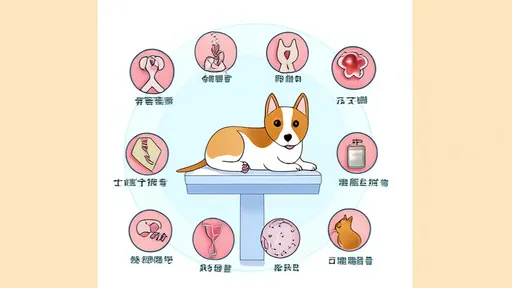
Dogs, our most expressive companions, broadcast their anxiety through a symphony of physical cues. The tail, often misread as a simple meter of happiness, tells a complex story. A high, stiff tail that vibrates or is held over the back can signal high alertness and potential aggression, a far cry from the relaxed, sweeping wag of a content dog. Conversely, a tail tucked tightly between the legs is a universal sign of fear, submission, or intense stress. But the communication doesn't stop there. Look at the ears: pinned flat against the head indicates fear or anxiety, while ears that are flicked rapidly back and forth show a dog that is nervous and uncertain about its environment.
The eyes are truly windows to the canine soul when it comes to stress. Whale eye—when a dog turns its head away but keeps its eyes fixed on a perceived threat, showing the whites of its eyes—is a classic and serious sign of discomfort. A hard, fixed stare, often accompanied by a still body, can be a precursor to aggression. More subtle signs include excessive blinking, squinting, or averting gaze altogether. Perhaps one of the most common yet overlooked signals is the yawn. While dogs yawn when tired, a tense yawn in a situation that isn't conducive to sleep—like during a vet visit or a loud argument—is a clear pacifying signal, a way for the dog to calm itself and communicate its unease.
Lip licking, another pacifying gesture, is similar. A quick tongue flick following a command might indicate mild confusion or stress, while persistent licking of the lips and nose in the absence of food points to significant anxiety. Changes in overall body posture are equally telling. A stressed dog may lower its body or crouch close to the ground, make itself look smaller, and shift its weight to its hind legs, ready to retreat. The famous "play bow" is usually a sign of fun, but context is key. If the body is stiff and the motion is hesitant, it can be an attempt to diffuse a tense situation. Panting is normal after exercise, but anxious panting is often sharper, shallower, and accompanied by a tight mouth and tense jaw.
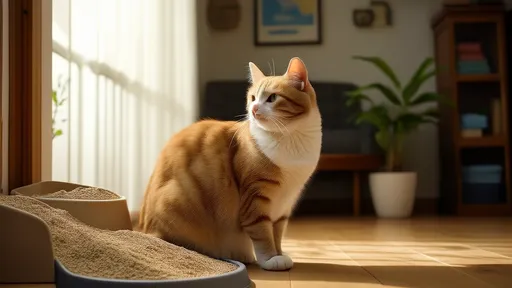
Cats, the masters of subtlety, communicate stress in ways that can be easy to miss for the untrained eye. Their tails are a primary indicator. A low tail that twitches or thumps rhythmically against the floor is a sign of irritation and growing agitation. The fluffed-up tail, or "bottlebrush," is an attempt to look larger and more intimidating in the face of a threat, signaling high fear. Even the classic upright tail can be misread; while it often denotes a happy greeting, if the very tip is twitching vigorously, the cat is likely over-stimulated or excited in a way that can quickly tip into stress.
A cat's ears are like mood radar dishes. Ears that are rotated sideways or flattened back—the infamous "airplane ears"—are a clear sign of fear, annoyance, or defensive aggression. Their eyes also change dramatically. Wide, dilated pupils in a well-lit room are not a sign of playfulness but of high arousal, which can be due to fear, stress, or excitement. A constant, unblinking stare is a challenge, not a sign of affection. More subtle signs include excessive grooming, which can be a self-soothing behavior that escalates to hair loss and skin lesions, a condition known as psychogenic alopecia. Hiding, crouching low to the ground with ears flat, and refusing to eat are all potent indicators that a cat is profoundly stressed by its environment.
While less familiar to many, small mammals like rabbits, guinea pigs, and ferrets have their own distinct stress languages. For prey animals like rabbits and guinea pigs, freezing in place is the first and most common defense mechanism. A rabbit that is utterly motionless, with its body pressed tightly to the floor and eyes wide open, is terrified, believing it might be unseen by a predator. Thumping a hind leg is a loud alarm call signaling danger and fear to other rabbits. Guinea pigs may exhibit a high-pitched, incessant squeal (distinct from their happy "wheeking" for food) when frightened or in pain.
Ferrets, being predators, show stress differently. A stressed ferret may hiss, a direct vocalization of fear or annoyance. They can also release a strong musky odor from their scent glands when severely frightened. General signs across many small mammals include changes in eating or bathroom habits, over-grooming to the point of creating bald patches, and aggressive behavior like biting or lunging when they were previously handled. Recognizing that these creatures experience deep stress is the first step in providing them with a safe and secure habitat.
Birds are incredibly sensitive creatures, and their stress signals are often tied to their fundamental need for flight. Feather destructive behavior, such as plucking out their own feathers, is one of the most severe and heartbreaking signs of chronic stress, boredom, or illness in captive birds. Pacing relentlessly back and forth on a perch or at the bottom of a cage is a sign of anxiety and frustration. A bird that is constantly crouching and fluffing up its feathers might be trying to conserve energy due to illness, which is inherently stressful.
Vocalizations can also change. A normally chatty parrot that becomes silent is likely not content but withdrawn and stressed. Conversely, an increase in screaming or alarm calls can indicate that the bird is disturbed by something in its environment. Watch their eyes, too; the rapid contracting and expanding of the pupils, known as "eye pinning," can indicate high excitement, which can quickly turn into over-stimulation and stress. Aggression, such as biting when approached, is a clear communication that the bird feels threatened and unsafe.
Understanding these signals is only half the battle; the crucial next step is responding appropriately. The worst thing an owner can do is punish a pet for showing stress signals like growling, hissing, or whale eye. These are warnings. Punishing the warning simply teaches the pet to suppress the signal, creating a "bite out of nowhere" scenario because the crucial communication was suppressed. Instead, the goal is to identify and remove or mitigate the stressor.
This might mean creating a safe, quiet retreat for your pet, like a covered crate for a dog or a high perch for a cat. It could involve desensitizing them slowly to a frightening noise, like the vacuum cleaner, by associating it with high-value treats from a distance. For chronic stress, a thorough review of their environment is essential: Is there enough enrichment? Do they have a predictable routine? Have there been recent changes in the home? In cases of severe anxiety, especially when manifested through destructive or self-harming behaviors, consulting a veterinarian is non-negotiable to rule out underlying medical issues. A referral to a certified animal behaviorist can provide a structured plan to help your pet feel safe and secure again.
Decoding the physical language of pet stress is a continuous journey of observation and empathy. It requires us to be detectives, piecing together the context of a situation with the subtle flick of an ear or the tension in a posture. This knowledge empowers us to move beyond simply providing food and shelter and allows us to become true advocates for their emotional well-being. By listening to what their bodies are telling us, we can transform our homes into genuine sanctuaries of security and trust, ensuring our pets not only live with us but truly thrive.

By /Aug 20, 2025

By /Aug 20, 2025
By /Aug 20, 2025
By /Aug 20, 2025

By /Aug 20, 2025
By /Aug 20, 2025

By /Aug 20, 2025

By /Aug 20, 2025
By /Aug 20, 2025
By /Aug 20, 2025

By /Aug 20, 2025
By /Aug 20, 2025
By /Aug 20, 2025
By /Aug 20, 2025
By /Aug 20, 2025

By /Aug 20, 2025

By /Aug 20, 2025

By /Aug 20, 2025

By /Aug 20, 2025
By /Aug 20, 2025