The concept of a critical period in pet socialization is one of the most pivotal, yet often misunderstood, aspects of responsible animal ownership. This window of opportunity, a finite stretch of early development, is when a young animal’s brain is most receptive to new experiences, shaping its perceptions of the world for a lifetime. Missing this period or mismanaging it can lead to a cascade of behavioral challenges, from fear and anxiety to outright aggression. Understanding the nuances of this developmental phase is not merely an academic exercise; it is the foundational bedrock upon which a well-adjusted, confident, and happy companion is built.
The timing of this critical period is not a one-size-fits-all schedule but a biological clock that ticks at slightly different rates across species. For our canine companions, the primary socialization window is remarkably short, typically slamming shut between 12 and 16 weeks of age. During these first few months of life, a puppy’s mind is like a sponge, eagerly soaking up information about what is safe and what is threatening. Every person, sound, surface, and other animal encountered is logged away as data points that will inform future reactions. Conversely, for kittens, the period is even more condensed, generally considered to be between 2 and 7 weeks old. This is when they learn the intricate language of feline interaction and form their initial opinions on humans and other household stimuli.
The methodology for effective socialization during this brief epoch is less about formal training and more about curated exposure. The goal is not to overwhelm the young animal but to provide a steady, positive drip-feed of novel experiences. This process, often called habituation, involves systematically introducing the pet to the myriad sights, sounds, and sensations it will encounter in its life. This includes the vacuum cleaner’s roar, the sound of traffic, children playing, men with hats and beards, umbrellas, other friendly and vaccinated animals, and different types of flooring like tile, wood, and grass. Each introduction must be paired with something positive—a high-value treat, a joyful play session, or gentle praise—to create a powerful positive association.
It is a grave error to equate socialization with mere exposure. Throwing a puppy into a dog park and letting it fend for itself is not socialization; it is a recipe for trauma. A single negative, frightening, or painful experience during this critical period can leave an indelible scar, creating a lifelong phobia or trigger. The art of socialization lies in the owner’s ability to control the environment and the intensity of each new experience. The volume of the household noises should be low at first, the introductions to new people should be calm and gentle, and interactions with other animals must be closely supervised to ensure they remain positive and non-threatening. The puppy or kitten should always have an escape route, a way to retreat to the safety of its owner if an experience becomes too intense.
For many owners, the greatest challenge is navigating the period between the end of the critical socialization window and the completion of a puppy’s vaccination schedule. Veterinarians rightly caution against exposing unvaccinated puppies to high-risk areas like public dog parks. This creates a paradox: the puppy must be socialized before 16 weeks, but it is not fully protected until after that. This does not, however, mandate isolation. Creative, safe socialization is still entirely possible. Carrying the puppy in a sling or a cart through hardware stores (often pet-friendly), inviting healthy, vaccinated dog friends to a clean backyard, having a variety of people over to the house, and simply sitting on a busy park bench while watching the world go by are all fantastic, low-risk ways to provide vital exposure without compromising health.
The role of the owner’s emotional state cannot be overstated during these exercises. Animals are exceptionally adept at reading human energy and body language. An owner who is tense, anxious, or fearful when introducing their pet to a new stimulus will telegraph that anxiety directly down the leash. The pet will inevitably mirror that apprehension, learning that there is indeed something to be feared. Therefore, the owner must be a pillar of calm, confident reassurance. Their demeanor should communicate to the animal, "This is normal, this is safe, and I am here with you." This emotional coaching is as crucial as the physical exposure itself.
While the critical period is undeniably the golden hour for socialization, it is not an absolute endpoint. Socialization is a lifelong process. An adolescent or even adult animal can still learn to accept new things and overcome fears, but the process becomes significantly more difficult, often requiring the patience and skill of a professional behaviorist. What is laid down easily with positive experiences in puppyhood may later require months of counter-conditioning and desensitization to rebuild. The neural pathways formed during the critical period are the superhighways of the brain; building new ones later is like carving a path through a mountain—possible, but arduous.
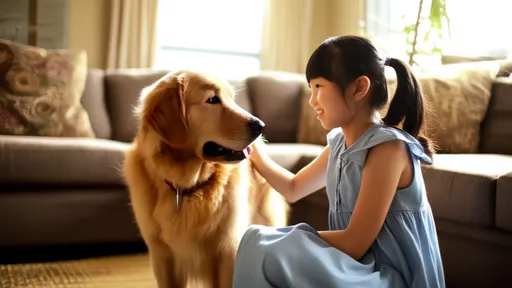
Ultimately, the investment made during these first few weeks and months pays exponential dividends for the next decade-plus of a pet’s life. A well-socialized dog is not just one that is friendly; it is a resilient animal, capable of handling the unexpected twists and turns of life without collapsing into fear or aggression. It is a companion that can joyfully accompany its family on adventures, relax calmly in a busy café, and greet visitors to the home with a wagging tail instead of a bark. This outcome is the direct product of a conscious, thoughtful, and loving effort during that fleeting critical period, an effort that forever shapes the soul of a beloved pet.

By /Aug 20, 2025

By /Aug 20, 2025

By /Aug 20, 2025
By /Aug 20, 2025

By /Aug 20, 2025

By /Aug 20, 2025

By /Aug 20, 2025

By /Aug 20, 2025
By /Aug 20, 2025
By /Aug 20, 2025

By /Aug 20, 2025
By /Aug 20, 2025

By /Aug 20, 2025
By /Aug 20, 2025

By /Aug 20, 2025

By /Aug 20, 2025

By /Aug 20, 2025

By /Aug 20, 2025

By /Aug 20, 2025
By /Aug 20, 2025