As the morning sun filters through the window, you watch your beloved companion eagerly awaiting breakfast. For millions of pet owners, this daily ritual represents more than just feeding time—it's a moment of connection and care. But when your furry family member receives a diabetes diagnosis, this simple act takes on new significance, becoming part of a carefully managed routine that can mean the difference between vibrant health and serious complications.
The journey of managing diabetes in pets requires dedication, but it's far from insurmountable. With proper understanding and consistent care, diabetic dogs and cats can enjoy excellent quality of life and near-normal lifespans. The condition demands attention to detail, yet many pet owners find the process becomes second nature with time and experience.
Understanding Canine and Feline Diabetes
Diabetes mellitus occurs when the body cannot properly regulate blood glucose levels. In healthy animals, the pancreas produces insulin, which helps transport glucose from the bloodstream into cells where it's used for energy. Diabetic pets either don't produce enough insulin (Type 1 diabetes, more common in dogs) or their bodies become resistant to insulin's effects (Type 2 diabetes, more common in cats). Without sufficient insulin function, glucose accumulates in the blood while cells starve for energy, leading to the classic symptoms of increased thirst, frequent urination, weight loss despite increased appetite, and lethargy.
Establishing a Consistent Routine
Consistency forms the cornerstone of successful diabetes management. Pets thrive on predictable schedules, and this becomes particularly crucial for diabetic animals. Feeding times, insulin administration, and exercise should occur at the same times each day, ideally with no more than thirty minutes variation. This regularity helps maintain stable blood glucose levels throughout the day, preventing dangerous spikes and crashes that can occur with irregular care.
Meal consistency matters just as much as timing. Diabetic pets should eat the same amount of the same food at each feeding. Any change in diet can significantly alter insulin requirements, potentially leading to poor glucose control. Many veterinarians recommend prescription diets specifically formulated for diabetic pets, which typically contain complex carbohydrates that release glucose slowly into the bloodstream, helping to prevent dramatic blood sugar fluctuations.
The Critical Role of Nutrition
Dietary management represents one of the most powerful tools in controlling diabetes. The ideal diet helps maintain healthy body weight, provides consistent energy release, and supports overall metabolic health. For dogs, high-fiber diets are often recommended as fiber slows glucose absorption and can improve insulin sensitivity. For cats, high-protein, low-carbohydrate diets typically work best since they mimic the natural feline diet and help address the insulin resistance common in diabetic cats.
Portion control cannot be overstated. Obesity represents a significant risk factor for diabetes, particularly in cats, and excess weight makes insulin less effective. Achieving and maintaining ideal body condition through carefully measured meals helps improve insulin sensitivity, potentially reducing the required insulin dosage. Your veterinarian can provide specific feeding recommendations based on your pet's species, breed, age, activity level, and current health status.
Insulin Therapy Essentials
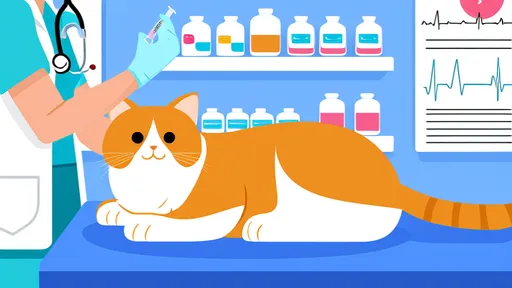
Most diabetic pets require insulin injections, typically administered twice daily shortly after meals. While the idea of giving injections may seem daunting initially, most pet owners become quite comfortable with the process within a few weeks. Veterinary teams provide thorough training on proper injection technique, storage, and handling of insulin. It's crucial to use the specific insulin type and syringe size prescribed, as different insulins have varying concentrations and durations of action.
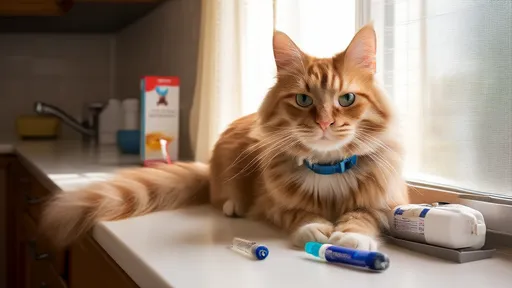
Proper insulin storage ensures medication effectiveness. Most insulin types require refrigeration but should never be frozen. Gently rolling the bottle between your palms—never shaking—helps redistribute the medication evenly before drawing each dose. Injection sites should be rotated to prevent tissue irritation or damage, with common locations including the scruff of the neck, between the shoulder blades, or along the sides of the chest.
Monitoring Blood Glucose Levels
Regular monitoring provides the data needed to assess diabetes control and make necessary adjustments to the treatment plan. Several monitoring methods exist, each with advantages and limitations. Veterinary glucose curves involve measuring blood glucose every two hours throughout the day, typically performed in the clinic initially to establish the appropriate insulin dose. While highly informative, these curves can be stressful for pets and impractical for frequent use.
Home blood glucose monitoring empowers owners to track their pet's response to insulin between veterinary visits. Using a pet-specific glucose meter and obtaining a small blood sample from the ear margin, paw pad, or lip, owners can check glucose levels at various times. This practice helps identify patterns and catch problems early. Many veterinarians recommend periodic glucose curves performed at home, where owners take measurements every two hours over twelve to twenty-four hours to create a detailed picture of glucose fluctuations.
Continuous glucose monitoring systems represent a technological advancement that's transforming diabetes management. These systems involve placing a small sensor under the skin that measures interstitial glucose levels every few minutes, transmitting data to a receiver or smartphone app. While more expensive than traditional monitoring, they provide incredibly detailed information about glucose patterns without the need for multiple needle sticks, reducing stress for both pets and owners.
Recognizing Hypoglycemia
Hypoglycemia, or dangerously low blood sugar, represents the most immediate risk in diabetic pets. It can occur if too much insulin is administered, if a pet doesn't eat enough food, or with unexpected exercise. Early signs include weakness, lethargy, trembling, or disorientation. Severe hypoglycemia can lead to seizures, unconsciousness, and even death if not addressed promptly.
Every owner of a diabetic pet should keep a hypoglycemia emergency kit on hand. This should include a source of rapid-acting sugar such as honey, corn syrup, or commercial glucose gels. At the first sign of hypoglycemia, owners should rub a small amount of one of these substances on their pet's gums and seek immediate veterinary attention. Preventing hypoglycemia through consistent routine, careful insulin dosing, and regular monitoring remains the best approach.
Long-Term Complications and Prevention
While daily management focuses on immediate glucose control, long-term complications represent significant concerns for diabetic pets. Consistently high blood glucose levels can damage blood vessels and nerves throughout the body, leading to conditions including cataracts (particularly common in diabetic dogs), kidney disease, urinary tract infections, and neuropathy. Regular veterinary check-ups—typically every three to six months for well-controlled diabetics—help detect and address these issues early.
Preventing complications begins with consistent diabetes management but extends to comprehensive wellness care. Dental health deserves particular attention, as dental infections can increase insulin resistance and make glucose control more difficult. Maintaining appropriate exercise routines helps with weight management and insulin sensitivity, though activity should be consistent rather than sporadic to prevent unexpected glucose drops.
The Emotional Journey
Caring for a diabetic pet involves more than medical management—it's an emotional journey that requires patience, adaptation, and resilience. The initial diagnosis often brings anxiety and overwhelm as owners learn new skills and adjust their routines. Many experience "diabetes burnout" over time, feeling exhausted by the relentless demands of care. Connecting with support communities—whether online forums, local groups, or understanding veterinary teams—can provide invaluable encouragement and practical advice.
Celebrating small victories helps maintain perspective. The first successful glucose curve, the first time giving an injection without anxiety, the return of your pet's energy and playful spirit—these milestones mark progress along the journey. While diabetes requires lifelong management, countless pets and their owners find fulfilling rhythms that preserve quality of life for all involved.
When to Seek Veterinary Guidance
Despite best efforts, situations arise that require professional intervention. Contact your veterinarian if your pet shows signs of hypoglycemia, refuses food for more than one meal, experiences vomiting or diarrhea, shows signs of urinary tract infection (straining to urinate, blood in urine), or displays any sudden behavior changes. Additionally, schedule rechecks as recommended—typically two weeks after any insulin adjustment and every three to six months for stable patients—as these appointments allow for necessary treatment modifications based on objective data.
Advances in veterinary medicine continue to improve outcomes for diabetic pets. New insulin formulations, more accurate monitoring equipment, and evolving dietary strategies all contribute to better management options. Researchers continue to explore innovative approaches, including oral medications that may eventually reduce or eliminate the need for injections in some cases. Staying informed about new developments through your veterinary team ensures your pet benefits from the latest advancements.
Living with a diabetic pet transforms daily routines but deepens the bond through shared care and commitment. The measured rhythm of feedings, injections, and monitoring becomes a language of love expressed through attentiveness to detail. While the path requires dedication, it leads to the profound reward of extended quality time with a cherished companion—a treasure beyond measure for those willing to undertake the journey.

By /Aug 20, 2025

By /Aug 20, 2025

By /Aug 20, 2025
By /Aug 20, 2025

By /Aug 20, 2025

By /Aug 20, 2025

By /Aug 20, 2025

By /Aug 20, 2025

By /Aug 20, 2025
By /Aug 20, 2025

By /Aug 20, 2025
By /Aug 20, 2025

By /Aug 20, 2025

By /Aug 20, 2025

By /Aug 20, 2025

By /Aug 20, 2025

By /Aug 20, 2025

By /Aug 20, 2025

By /Aug 20, 2025

By /Aug 20, 2025